Propaganda against Propaganda: How the Soviets Used Image and Word against Nazi Mass Communication
by Hannah Gorlizki (Exhibition Assistant at Tate Modern, London) and Vera Tolz (Sir William Mather Professor of Russian at the University of Manchester) [i]
Propaganda is rarely content merely to promote its own version of reality. Just as often, it seeks to discredit the possibility that its opponent’s messages can be trusted. In contemporary information conflicts, this ‘propaganda against propaganda’ has become a familiar tactic: accusations of deception, manipulation, and media control are weaponised to erode confidence in rival authorities. Yet this dynamic has a longer and more sophisticated history, one that reveals the central role of hybrid media forms capable of exploiting the shifting relationship between image and text. In such contexts, credibility is not asserted through isolated claims alone, but constructed through the strategic interplay of visual and verbal registers.
This blog examines a revealing wartime experiment in counter-propaganda: the Soviet periodical Front-Illustrierte (The Illustrated Front), produced for German soldiers during the Second World War. Rather than simply denouncing Nazism, it pursued a second-order strategy aimed at undermining trust in German state-sponsored mass communication, above all the propaganda apparatus led by Joseph Goebbels. It turned propaganda against itself, using images to portray Nazi communication as a system of organised deceit. This strategy relied on the distinctive force of visual media: more affectively immediate than language and, in the case of photography, invested with documentary authority, images could intervene directly in regimes of credibility. Yet they did not operate in isolation. Meaning emerged from the coordination of picture and text, as captions, typography, and layout guided interpretation and amplified the visual field’s affective charge.
The blog therefore advances a broader methodological claim. Analysing textual and visual sources separately yields only a partial, and potentially misleading, account of how propaganda functions. Its producers recognise the inseparability of words and images and exploit the meanings generated through their interaction, while remaining alert to the visual force of the printed word itself.
Front-Illustrierte offers a particularly clear example of this dynamic. Its influence strategy depended on the tight coordination of hierarchically structured titles, journalistic fragments, satirical captions, testimonial cues, photographs, cartoons, and photomontage into a unified campaign of persuasion. Produced under difficult wartime conditions, the weekly nevertheless displayed striking design sophistication.
Published by Soviet propaganda organs associated with the Red Army’s political administration, each issue of Front-Illustriert consisted of four pages printed on a single folded sheet in tabloid format and was airdropped directly into enemy positions. The journal’s visual strategy was shaped by Aleksandr Zhitomirsky (1907–1993), a prominent Soviet graphic artist, photographer, and master of photomontage, who developed its distinctive aesthetic with the explicit goal of maximising psychological impact on German troops. Many of the cartoons and montages produced under his direction targeted the Reich Ministry of Public Enlightenment and Propaganda directly, depicting Goebbels not simply as a liar, but as the engineer of a vast machinery of deception. This focus was hardly accidental. By 1941, political elites across Europe, North America, and the Soviet Union widely believed that the Nazi regime’s grip on German society rested to a significant extent on the perceived effectiveness of its propaganda.
The analysis that follows identifies specific representational strategies adopted by the Soviet producers of Front-Illustrierte in articulating narratives of German deceit. It ascertains the specificity of these audience-targeting strategies in two ways: first, by situating them within the longer history of modern information warfare and illustrated mass media; and second, by comparing Front-Illustrierte’s approach with that of Soviet wartime publications aimed at domestic audiences, in which German informational deceit was likewise criticised. Drawing in particular on cartoons by Evgenii Kogan, a graphic designer and Red Army officer associated with the newspaper Razobyom vraga (We Will Crush the Enemy), this comparison makes it possible to trace how visual accusations of disinformation were adapted across audiences, languages, and ideological settings during total war. In doing so, the blog shows how the struggle over truth was fought not only through verbal narratives, but through visual images of propaganda itself.
Front-Illustrierte, and the representational strategies it deployed, emerged from a distinct historical constellation. One of its key preconditions was the use of propaganda, often involving deliberate deception, by modern states in the era of mass media. This understanding of media as a weapon crystallised during the First World War, when specialised government departments were created to produce fabricated content for wartime purposes. These efforts included the production of periodicals in enemy languages designed to influence opposing publics, while frequently masking their true origins. This strategy continued into the Second World War, with Front-Illustrierte representing one of its more sophisticated incarnations.
A second crucial factor was Germany’s own tradition of illustrated magazines, which Soviet producers had to take into account if they were to influence Wehrmacht soldiers. While such publications had proliferated since the late nineteenth century, their format and visual logic were reshaped under Nazi rule. Imagery was foregrounded, textual density reduced, and typography assumed a more directive function. Large, declarative headlines increasingly structured meaning, guiding the reader’s gaze before images were fully absorbed.
A comparison of Berliner Illustriete Zeitung in 1914-1915 and 1942, for example, shows the shift toward photographic dominance, shorter texts, and the inclusion of cartoons in the later period. Yet words did not lose importance. Typography functioned architecturally: oversized sans-serif lettering, sharp contrasts, and varied scales established hierarchy, signalled urgency, and projected authority and modern efficiency. Large block headlines create certainty, leaving little room for ambiguity. Text and image thus operated within a unified visual hierarchy in which printed words possessed their own immediacy, directing interpretation and reinforcing ideological clarity.
These techniques were widely recognised beyond Germany and adapted across political contexts. The publishers of Front-Illustrierte similarly worked with German prototypes in mind, retooling their visual language for Soviet psychological warfare.
Although it is image-led, Front-Illustrierte relies heavily on typography as part of its meaning-making strategy. While the amount of text is often minimal, words are visually dominant in scale and placement, revealing their controlling function. The headlines are large and bold. Echoing Cubism, early Suprematism and Soviet Constructivism, they are frequently integrated directly into photomontage rather than positioned above it, ensuring that the producers’ preferred interpretation is framed in advance. Word and image thus operate together as a single, tightly choreographed ideological field (Figs. 1).
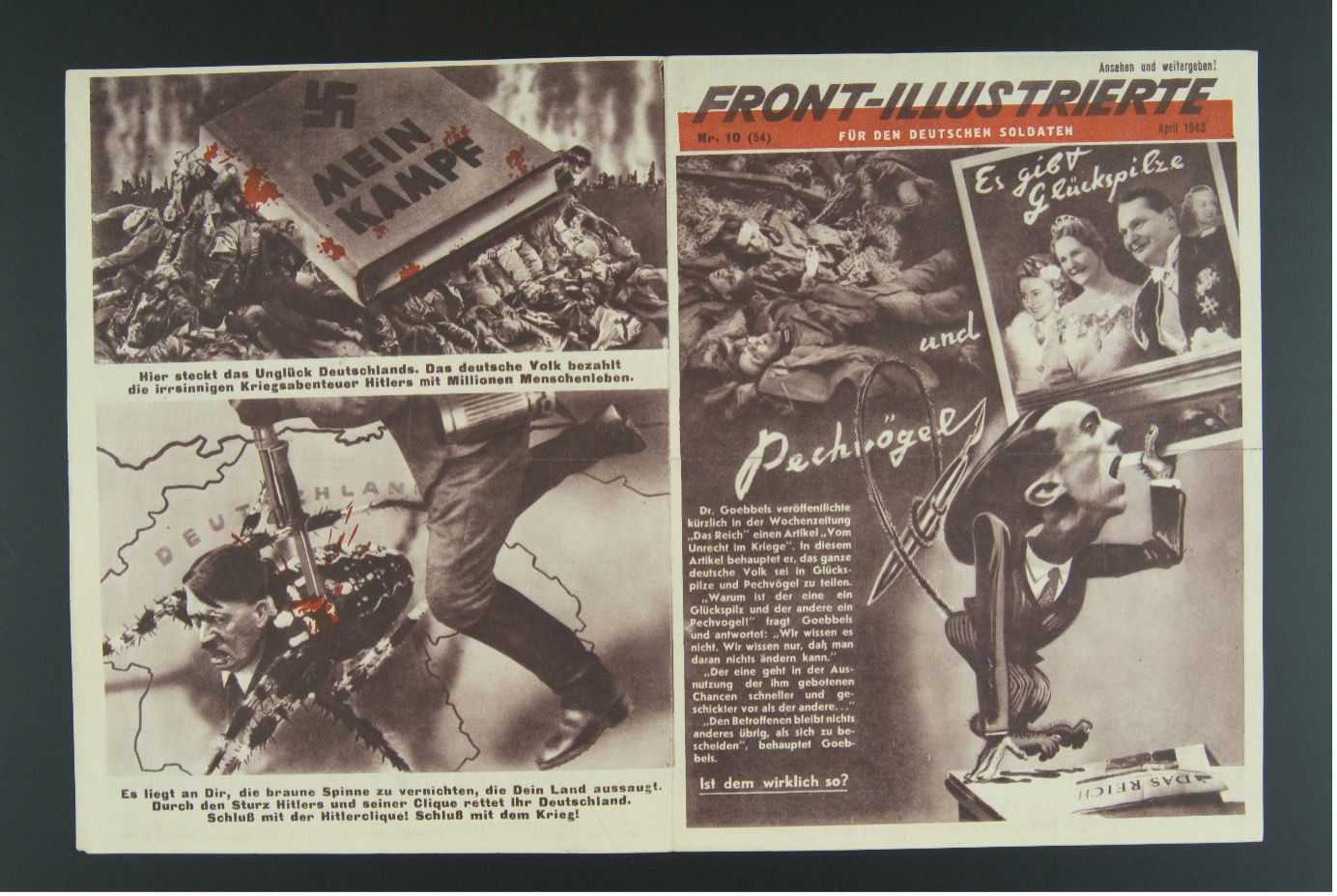
Figure 1. Front-Illustrierte, no. 10, 1943, p. 1 (FRIL_00023_001)
Photography, typography, and montage are treated architecturally, establishing rhythm and hierarchy while guiding the reader toward predetermined effects. Typography functions as a visual weapon - direct and declarative. As in German illustrated outlets, the reader encounters the meaning-structuring word before absorbing photographic detail. In the issue no. 5 for 1942, for instance, a large directional arrow bearing the name of a Russian town cuts across the cover, echoing battlefield maps. Pointed directly at Wehrmacht soldiers, this arrow, marking a place where German forces had suffered defeat, suggests that their initial control is both temporary and illusory. The photographs are sequenced vertically: confidently marching German troops at the top, German battlefield casualties in the centre, and a German soldier surrendering to a group of smiling Soviet officers at the bottom. This arrangement produces a visual logic of cause and consequence, leading the reader through a constructed narrative of failed German leadership, action, and outcome (Fig. 2).
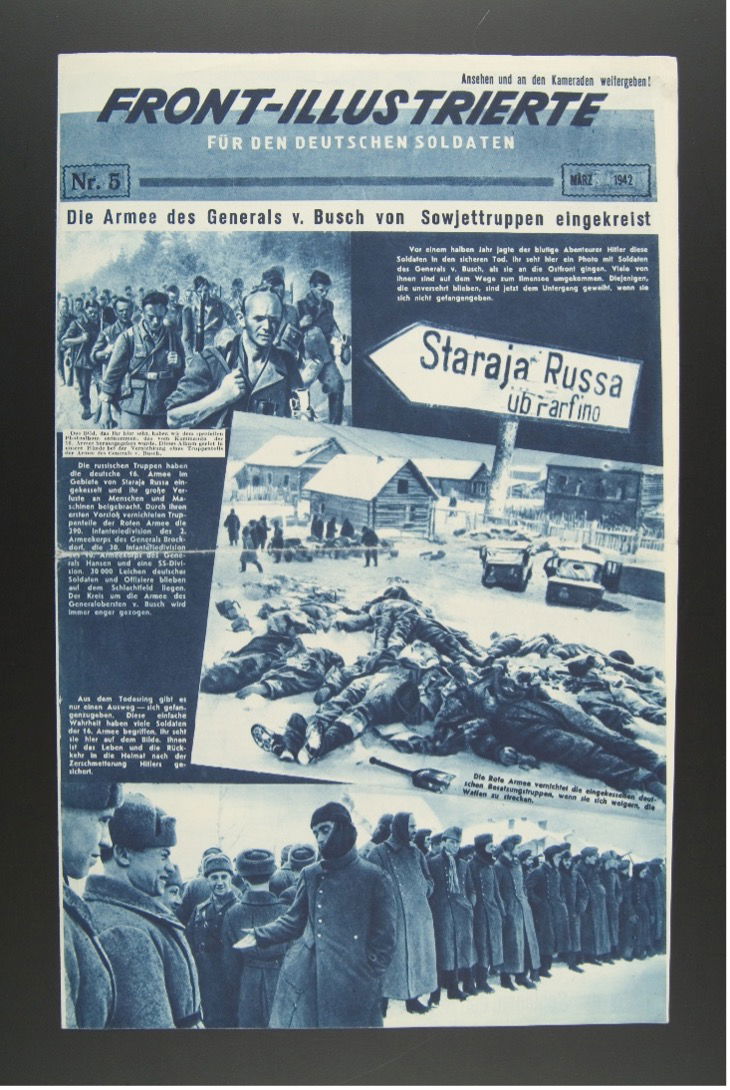
Figure 2. Front-Illustrierte, no. 5, 1942, p. 1 (FRIL_00005_001)
A significant strand of Front-Illustrierte’s critique targets the Nazi Ministry of Propaganda, depicting state communication not as governance but as circus performance. German deceit appears not as an isolated falsehood but as an ongoing process driven by identifiable agents, Goebbels and Hitler, who are subjected to systematic visual unmasking and ridicule. Irony and sarcasm frame propaganda as both absurd and dangerous. The frequently adopted comic-strip format is central to this strategy. By arranging images in sequence, it constructs a visual equivalent of a sentence, articulating a linear logic of cause and effect that exposes the widening gap between propagandistic claims and lived reality. In this way, satire coexists with darker suggestions that Nazi propaganda functions as a mechanism of self-destruction.
The representation of German state propaganda as performance is evident, for example, in the first 1942 issue of Front-Illustrierte (Fig. 3). Goebbels is shown elevated on a stack of furniture, an arrangement that both exaggerates his physical smallness and reinforces his monkey-like appearance as a circus performer. The makeshift pedestal underscores the artificiality of his authority, while the mirror he holds, suggesting vanity and narcissism, also points to a deeper preoccupation with surface, spectacle, and display. In this scene, Goebbels addresses unseen soldiers, who appear in a separate frame of the comic strip, freezing in the Soviet winter. The visual contrast between Hitler’s promise of warm uniforms and their physical suffering stages propaganda as a form of theatrical deception, exposed through contradiction. Visualising disinformation by highlighting such internal inconsistencies is, of course, a classic counter-propaganda strategy, but here it is embedded in a broader effort to recast Nazi communication as performance rather than governance.
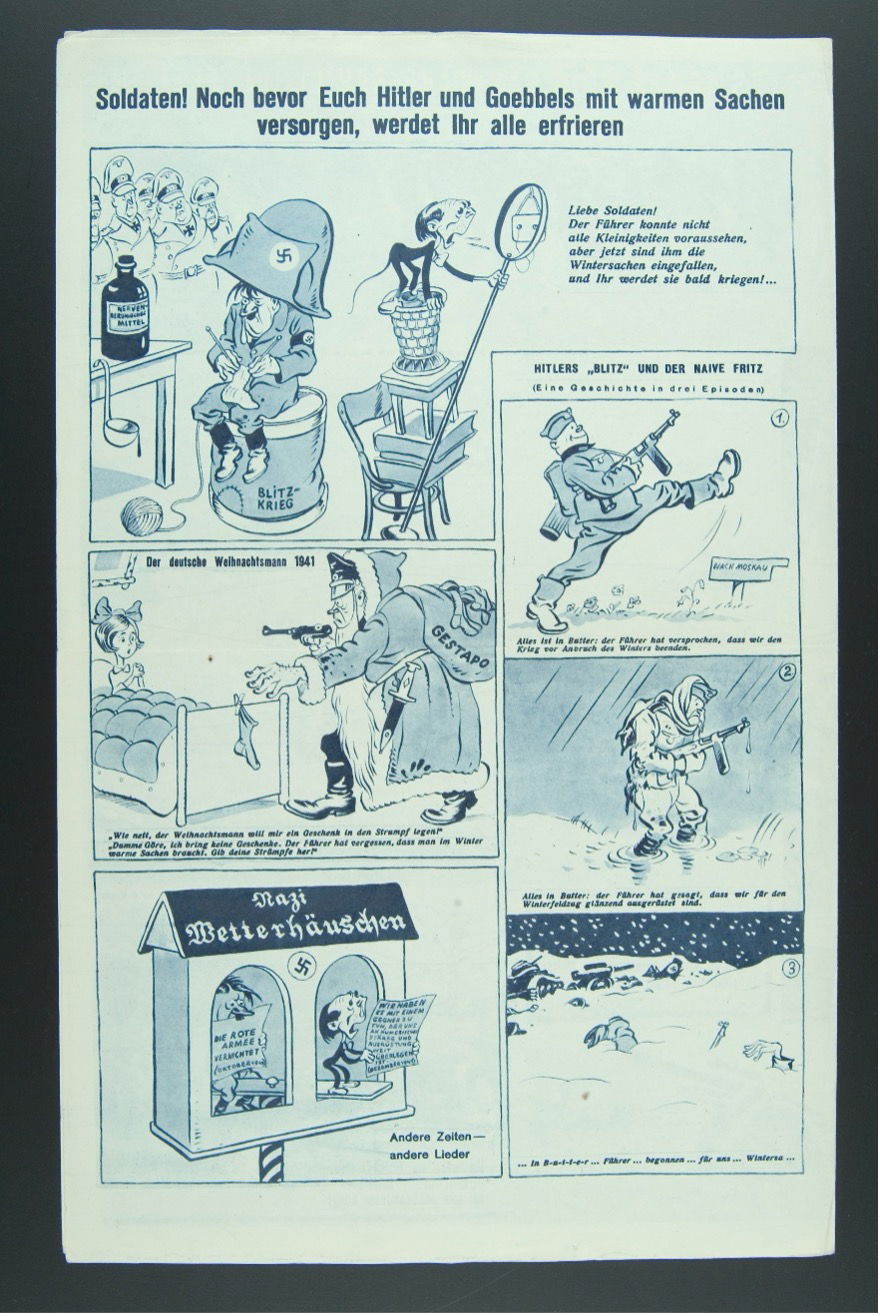
Figure 3. Front-Illustrierte, no, 1, 1942, p. 4 (FRIL_00002_004)
If the first strategy frames propaganda as spectacle, a second presents it as an ongoing process rather than a single act of deception. This is particularly evident in Front-Illustrierte no. 10 (1942) (Fig. 4), which depicts Goebbels, again in his familiar simian guise, ‘teaching’ German civilians and soldiers how to compose deceptive letters to one another. The title, ‘Die Kunst, Briefe zu schreiben’ (‘The Art of Letter-Writing’), signals that propaganda is being treated as a learned and systematised practice. The German die Kunst, like ‘art’ in English, shares an etymological link with notions of artifice (dieKünstlichkeit) and contrivance (der Kunstgriff), allowing the title to hint at deception beneath the veneer of skill. What appears verbally as a play on meanings is embedded within a distinct visual strategy. The horizontal sequencing of scenes guides the viewer from left to right through successive stages of fabrication, reinforcing the sense of propaganda as a structured process. Text and image are carefully coordinated: the eye is first drawn to the large red title, then to drawings that present idealised letters in lighter, cleaner lines, set against the darker, heavily shaded scenes of lived reality they conceal. Even the word die Kunst thus acquires a double irony, casting German propaganda simultaneously as theatrical performance and as artificial construction.
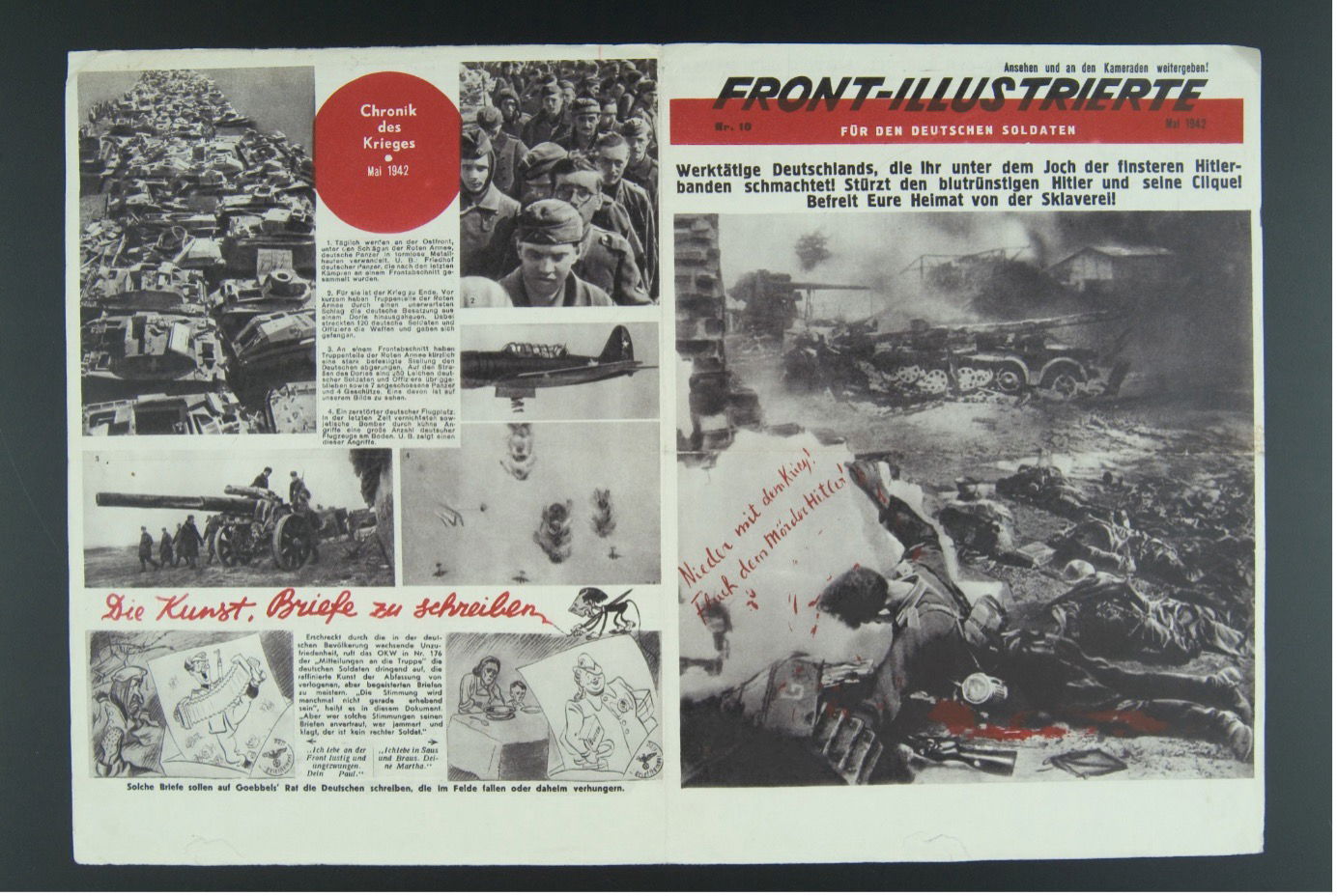
Figure 4. Front-Illustrierte, no. 10, 1942, p. 4 (FRIL_00010_004)
A third strategy exploits the comic-strip form to visualise the self-destructive logic of Nazi propaganda by foregrounding relations of cause and effect. In Front-Illustrierte no. 5 (1942) (Fig. 5), the bottom left-hand image shows a woman symbolising Germany, bound by Goebbels’s grotesquely oversized tongue bearing the word Lüge (‘lie’ or ‘falsehood’). This is juxtaposed with a right-hand image of a blindfolded German soldier being driven along a dagger blade toward an abyss. The narrative movement from left to right transforms propaganda from a linguistic act into a material force with lethal consequences. Here, deceit is no longer merely ridiculous or theatrical; it becomes a weapon turned against its own producers.
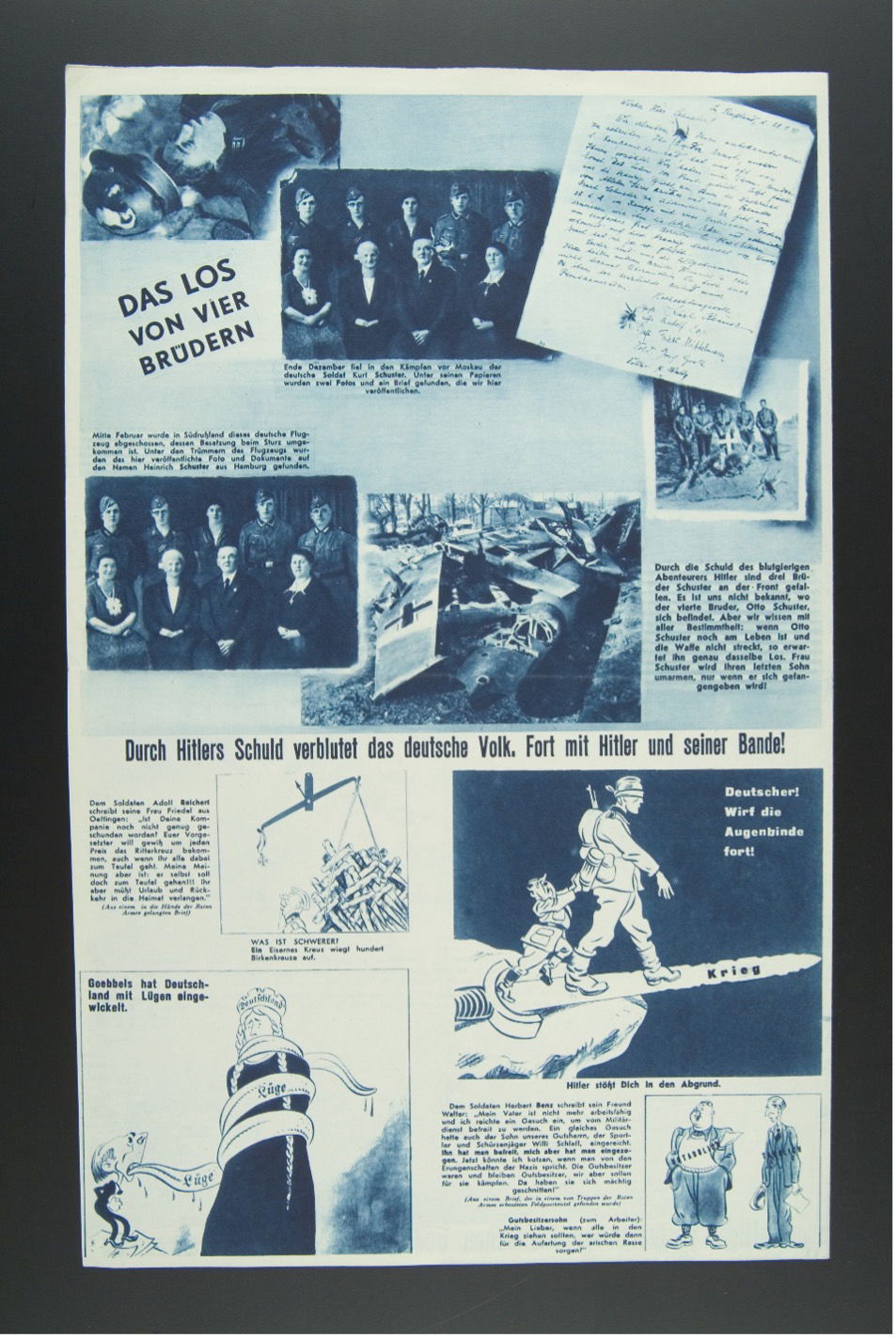
Figure 5. Front-Illustrierte, no. 5, 1942, p. 4 (FRIL_00005_004)
Within this repertoire of strategies, temporal shifts are also significant. From 1943 onwards, following the Soviet victory at Stalingrad and the surrender of the German Sixth Army on 2 February 1943, Front-Illustrierte increasingly depicts Goebbels in recognisably human form, using his actual face, albeit distorted through photomontage and supplemented with animal features such as a monkey’s tail (See Fig. 1). This move toward recognisability signals a growing Soviet confidence: the enemy no longer needs to be rendered purely as a caricatured monster but can be confronted, visually, ‘face to face.’ The shift suggests a willingness to meet the adversary on more direct representational terms, even while continuing to ridicule and degrade him. This confidence is reinforced by the increased use of photographs rather than cartoons. In these photographic collages, the realities of war and its consequences are set against the sanitised imagery of German press photography, inviting German soldiers to draw their own conclusions from the contrast (Fig. 6). Thus photography becomes the means of exposing the deception of the enemy’s own photographic images, demonstrating that photographs, far from being neutral records of reality, are structured by ideological framing.
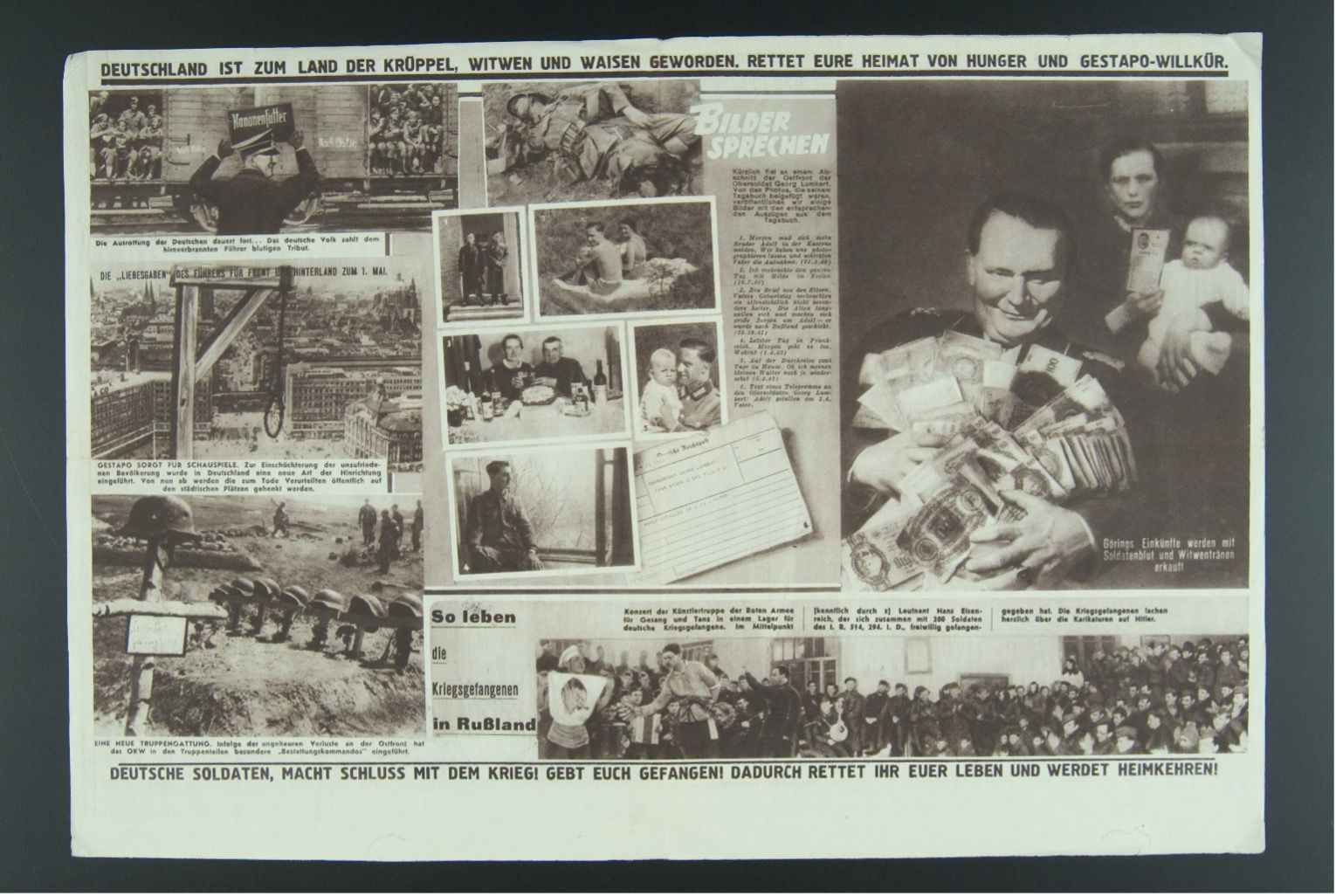
Figure 6. Front-Illustrierte, no. 10, 1943, 2 (FRIL_00010_002)
All of these representational and narrative strategies were shaped by Front-Illustrierte’s intended audience: Wehrmacht soldiers whose trust in Nazi information Soviet producers hoped to erode gradually. The contrast with Soviet wartime imagery directed at domestic readers, many already predisposed to distrust Germany, makes this especially clear. Even where Evgenii Kogan’s cartoons in Razobyom vraga combine text and image in comparable ways, their logic differs fundamentally. Rather than depicting propaganda as a staged process or unfolding performance, Kogan presents Hitler’s lies as discrete, mechanical acts of fabrication. In his cartoon of 1 December 1941 (Fig. 7), Hitler is shown stamping the claim that the USSR attacked Finland, an assertion Soviet propaganda publicly denied despite its factual basis.
The image is declarative and unambiguous. It does not imitate German visual conventions or mask its Soviet origin; instead, it reinforces an established conviction that Hitler lies. The visual language is binary and direct: Hitler equals deception. Because the cartoon confirms rather than unsettles belief, it can afford a greater direct bluntness.
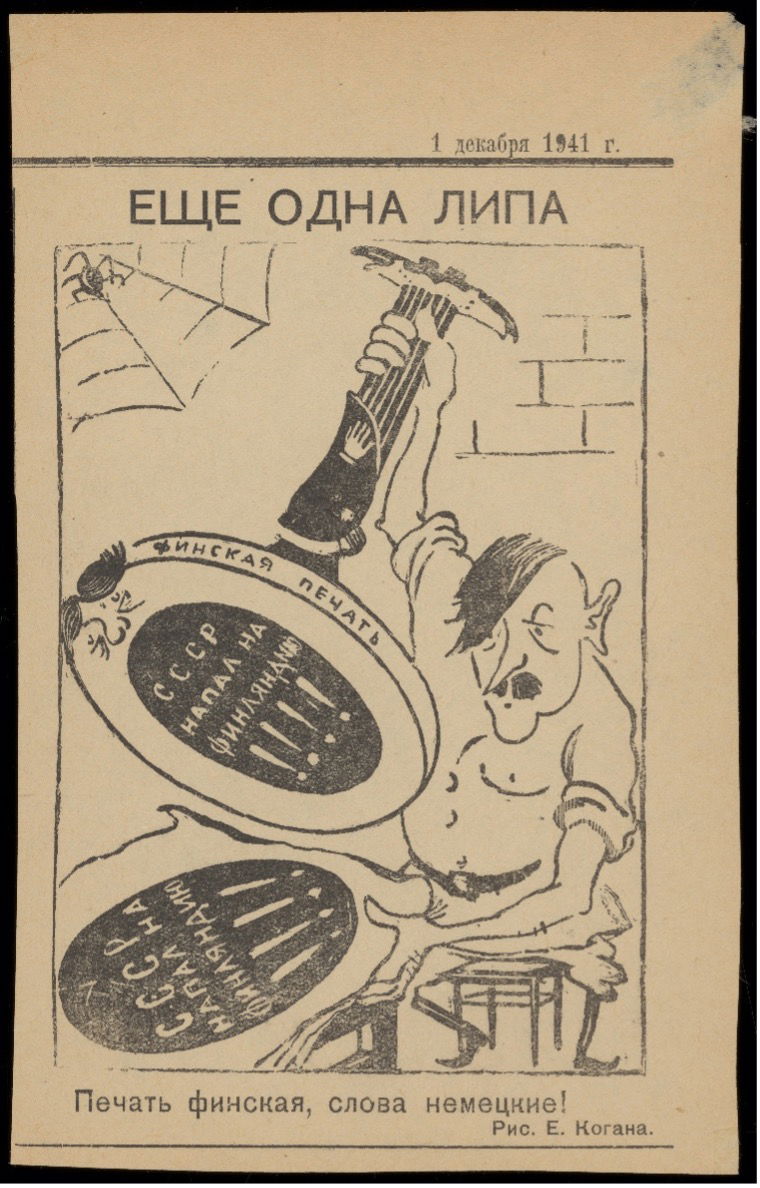
Figure 7. Razgromimv raga, 1 December, 1941 (KOGA_00562)
The reversal of epistemic value is striking: photography, traditionally associated with unmediated truth, is exposed in Front-Illustrierte (no. 10, 1943) through linear verbal framing as falsehood, while the satirical cartoon in Razobyom vragaassumes the authority of revelation. In contrast to Razobyom vraga, Front-Illustrierte could not rely on prior distrust. It therefore worked through performance, irony, sequencing, and visual contradiction to loosen the epistemic authority of Nazi media from within.
The case of Front-Illustrierte demonstrates that the struggle over truth in total war was conducted not only through competing claims about events, but through competing visualisations of propaganda itself. By representing Nazi communication as spectacle, process, and ultimately self-destructive logic, Soviet producers sought to destabilise the enemy’s information system rather than simply refute individual assertions. This distinction reflects a broader structural difference between outward- and inward-directed propaganda. Domestic messaging can draw upon shared assumptions and consolidated loyalties. Communication aimed at foreign audiences, however, must operate within a consciousness already shaped by rival narratives; it must enter the symbolic and media conventions of its target in order to unsettle them.
In Front-Illustrierte, this imperative produced a carefully calibrated interplay of photography, montage, typography, captions, and narrative progression, addressed to readers presumed still embedded in German communicative habits. The visual register itself was neither simple nor static: it encompassed a wide range of formats and effects, at times overturning conventional hierarchies of credibility, for example, by exposing enemy photography, traditionally invested with the authority of unmediated truth, as deception, while allowing satire or montage to assume revelatory force. These configurations were not fixed, but shifted over time in response to changing military and political circumstances. ‘Propaganda against propaganda’ thus emerged not merely as counter-claim but as a historically evolving visual-verbal politics, in which credibility arose from the strategically managed and dynamically recalibrated interaction of visual and textual forms. In this respect, the case anticipates contemporary information conflicts, from influencer-driven video narratives to AI-generated deepfakes, where authority likewise depends on the contingent alignment of visual immediacy and textual framing.
[i] We are grateful to the Blavatnik Archive in New York for access to its holdings of Front-Illustrierte and Evgenii Kogan’s drawings. The archival codes accompanying the images refer to records in the Blavatnik Archive’s database. Vera Tolz also wishes to acknowledge the Archive’s financial support for this research.